Subway has established itself as the world’s largest fast-food chain by location count, operating in over 100 countries with more than 37,000 locations globally. The brand’s success stems from a carefully crafted business and marketing strategy that emphasizes customization, value, and strategic growth. Here’s an in-depth analysis of the key components that drive Subway’s continued market dominance.
1. Franchise-Based Business Model: The Foundation of Global Expansion
Subway’s primary business model revolves around franchising, which has been instrumental in its rapid global expansion. This approach allows the company to grow quickly with minimal capital investment while sharing operational risks with franchisees. The franchise model enables Subway to maintain consistent brand standards across diverse markets while adapting to local preferences and regulations. This strategy has proven particularly effective in international markets, where local franchisees bring valuable market knowledge and cultural understanding.
2. Market Penetration Strategy: Dominating Through Accessibility
The company’s primary growth strategy focuses on market penetration, selling more of the same products in existing markets. Subway achieves this by strategically opening new locations in high-traffic areas such as shopping centers, airports, gas stations, and business districts. The brand’s goal of increasing new openings across North America by approximately 35% demonstrates its commitment to market saturation and accessibility. This ubiquitous presence ensures customers can easily find a Subway location, making it a convenient choice for quick meals.
3. Product Differentiation Through Customization
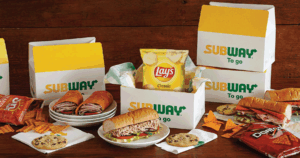
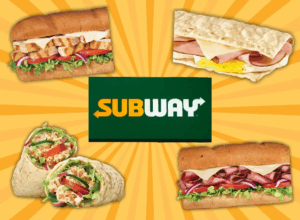
Subway’s “Build Your Own” concept sets it apart from traditional fast-food competitors. The brand offers extensive customization options, allowing customers to choose from various breads, proteins, vegetables, and sauces to create personalized sandwiches. This customization strategy appeals to diverse dietary preferences and creates a sense of control and satisfaction among customers. The introduction of the Subway Series featuring 22 chef-crafted sandwiches demonstrates the brand’s evolution while maintaining its core customization promise.
4. Value-Based Pricing Strategy with Promotional Focus
Subway employs a competitive pricing strategy that emphasizes value while maintaining profitability. The brand is famous for its promotional campaigns, particularly the historic “$5 Footlong” promotion that became a cultural phenomenon. More recently, Subway introduced the “$6.99 Any Footlong” deal, recognizing the need to provide value in an increasingly price-sensitive market. These promotional pricing strategies are designed to increase foot traffic, attract price-conscious consumers, and encourage trial of new menu items.
5. Health-Conscious Messaging: “Eat Fresh” Campaign
The “Eat Fresh” campaign has been central to Subway’s brand identity, positioning the chain as a healthier alternative to traditional fast food. This messaging strategy capitalizes on growing consumer awareness about health and nutrition. Subway emphasizes fresh ingredients, customizable options that allow for healthier choices, and menu items that cater to various dietary restrictions including vegetarian and low-calorie options. This health-focused positioning helps differentiate Subway in a crowded fast-food marketplace.
6. Digital Innovation and Technology Integration
Subway has embraced digital transformation to enhance customer experience and operational efficiency. The brand’s mobile app and online ordering system allow customers to customize orders, access exclusive deals, and earn rewards through loyalty programs. Digital ordering has become increasingly important, especially post-pandemic, as consumers seek contactless and convenient ordering options. The integration of technology also provides valuable customer data that helps inform menu development and marketing strategies.
7. Localized Marketing and Menu Adaptation
While maintaining core brand elements globally, Subway adapts its marketing messages and menu offerings to local markets. This localization strategy includes incorporating regional flavors, respecting cultural dietary restrictions, and adjusting pricing to local economic conditions. For example, Subway offers different protein options in markets where certain meats are not consumed due to religious or cultural reasons. This flexibility while maintaining brand consistency has been crucial to Subway’s international success.
8. Strategic Partnership and Co-location Opportunities
Subway actively pursues strategic partnerships and co-location opportunities to maximize visibility and convenience. The brand can be found in non-traditional locations such as Walmart stores, universities, hospitals, and transportation hubs. These partnerships allow Subway to reach customers in various contexts throughout their daily routines, increasing brand exposure and sales opportunities. Multi-unit owner agreements have accelerated growth while ensuring operational consistency across multiple locations.
- Subway Marketing Strategies
Subway, the world’s largest sandwich chain, has established itself as a leading player in the fast-food industry with its innovative marketing strategies. From product innovation to social responsibility, Subway’s marketing strategies have helped the company to stay relevant and appeal to a diverse customer base. Here are the top 8 marketing strategies that have contributed to Subway’s success: - Product Innovation
Subway regularly introduces new products to its menu to keep up with changing consumer trends. The company’s focus on fresh and nutritious ingredients sets it apart from other fast-food chains, and it has also introduced innovative products, such as the “Beyond Meat” sandwich, to cater to vegetarian and vegan customers. - Digital Marketing
Subway uses digital marketing to engage with customers and promote its products. The company has a mobile app that allows customers to place orders and earn rewards. Subway also uses social media platforms such as Facebook, Twitter, and Instagram to connect with customers and share updates on new products and promotions.
9. Cost Leadership Through Operational Efficiency
Subway maintains competitive advantage through cost leadership, achieved via operational efficiency and standardized processes. The assembly-line sandwich preparation method ensures consistent quality while minimizing labor costs and preparation time. Standardized ingredients, portion controls, and streamlined operations help franchisees maintain profitability while offering competitive prices. This operational efficiency is crucial in a high-volume, low-margin business environment.
10. Loyalty Programs and Customer Retention
The Subway rewards program encourages repeat business through points-based incentives and exclusive offers. Digital loyalty programs provide valuable customer data while increasing customer lifetime value. These programs help Subway compete with other fast-food chains by providing additional value beyond the meal itself. Personalized offers based on purchase history further enhance customer satisfaction and retention rates.
11. Continuous Menu Innovation and Seasonal Offerings
Despite being known for sandwiches, Subway continuously innovates its menu to maintain customer interest and attract new demographics. The brand regularly introduces limited-time offers, seasonal ingredients, and new sandwich combinations. Recent innovations include breakfast items, salads, wraps, and premium ingredients that justify higher price points. This balance between familiar favorites and new options keeps the menu fresh while maintaining operational simplicity.
12. Brand Revitalization and Modern Store Design
Recognizing the need to modernize its image, Subway has invested in restaurant redesigns featuring contemporary aesthetics, improved lighting, and enhanced customer experience elements. The updated store designs create a more appealing dining environment that aligns with current consumer expectations. This physical transformation supports the brand’s efforts to shed its outdated image and compete more effectively with fast-casual dining options.
Conclusion
Subway’s success stems from a comprehensive strategy that combines aggressive expansion through franchising, value-based pricing, extensive customer customization, and health-conscious messaging. The brand’s ability to adapt to changing consumer preferences while maintaining operational efficiency has enabled it to remain competitive in the evolving fast-food landscape. However, continued success will depend on Subway’s ability to balance value perception with profitability, maintain relevance among younger consumers, and continue innovating while preserving the simplicity that made it successful.
The company’s focus on digital integration, menu innovation, and brand modernization positions it well for future growth, though it must navigate challenges including increased competition from fast-casual chains and changing consumer expectations regarding food quality and dining experiences. Subway’s comprehensive approach to business strategy demonstrates how traditional fast-food brands can evolve while maintaining their core value propositions.