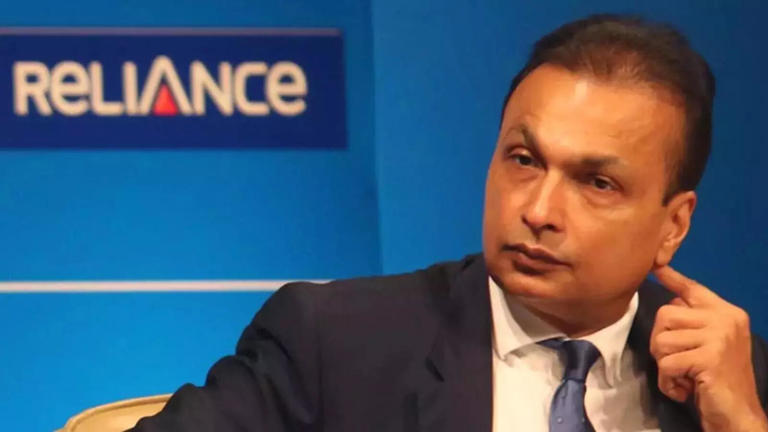
In a landmark decision that has sent shockwaves through India’s corporate and banking sectors, Bank of India has officially classified Anil Ambani, Reliance Communications (RCom), and its subsidiary Reliance Telecom as fraudulent accounts. This follows a similar declaration by State Bank of India earlier this year, marking a coordinated response by India’s banking sector against alleged financial misconduct.
The fraud declaration involves a staggering ₹2,929 crore in alleged fund diversions and represents one of India’s most significant corporate banking fraud cases in recent years. This decision comes amid ongoing insolvency proceedings for RCom and highlights the banking sector’s increasingly stringent approach to financial irregularities under updated RBI guidelines.

Background: The Rise and Fall of Reliance Communications
Anil Ambani’s Telecom Empire
Once part of India’s most valuable business empire, Reliance Communications was a major player in the Indian telecommunications sector. Under Anil Ambani’s leadership, RCom expanded rapidly during the telecom boom of the 2000s, competing with industry giants and investing heavily in 2G and 3G spectrum.
The Financial Downfall
However, intense competition, pricing wars, and mounting debt led to RCom’s gradual decline. The company’s financial troubles deepened over the years, culminating in:
- Multiple loan defaults across consortium banks
- Insolvency proceedings initiated in 2019
- Total debt burden exceeding ₹40,400 crore
- Asset monetization challenges
The Fraud Allegations: Detailed Breakdown
Bank of India’s ₹700 Crore Loan Case
Original Loan Sanction (August 2016)
- Amount: ₹700 crore approved for Reliance Communications
- Purpose: Capital expenditure, operational expenses, and repayment of existing liabilities
- Specific exclusion: Funds not to be used for related-party shareholder loans
The Alleged Diversion (October 2016) According to Bank of India’s forensic audit conducted by BDO India, approximately ₹350 crore was disbursed but allegedly misused:
- Fixed Deposits: Funds were invested in FDs instead of intended purposes
- Mutual Funds: Money was channeled into mutual fund investments
- Spectrum Purchase Pretext: Loans were supposedly for 3G spectrum acquisition but were diverted
State Bank of India’s Larger Fraud Case
SBI’s allegations involve a much larger amount of ₹2,929 crore and include:
- Diversion of sanctioned loan amounts to connected parties
- Unauthorized inter-company loan transactions
- Misutilization of sales invoices and revenue
- Complex web of transactions within the Ambani group companies
Timeline of Events: From Loan to Fraud Declaration
| Date | Event | Details |
|---|---|---|
| August 2016 | BOI Loan Sanctioned | ₹700 crore approved for RCom |
| October 2016 | Fund Diversion Alleged | ₹350 crore reportedly misused |
| June 2017 | NPA Classification | RCom account becomes non-performing |
| 2019 | Insolvency Proceedings | NCLT admits RCom for insolvency |
| October 2020 | Forensic Audit Complete | BDO India submits fraud findings |
| December 2023 | Supreme Court Order | Mandates personal hearing rights |
| June 2024 | SBI Fraud Declaration | Declares ₹2,929 crore fraud |
| November 2024 | Canara Bank Action | Joins fraud declaration |
| August 2025 | BOI Final Declaration | Official fraud account classification |
Legal Framework and Process
RBI Guidelines on Fraud Classification
The fraud declarations follow the Reserve Bank of India’s revised master directions on fraud risk management (July 2024), which mandate:
- Forensic audit requirements for suspected fraud cases
- 21-day response period for borrowers after show-cause notice
- Personal hearing rights before final classification
- Board-level review of all fraud risk policies
Supreme Court Intervention
A crucial December 2023 Supreme Court ruling established borrower protection rights:
- Right to personal hearing before fraud classification
- Due process requirements in banking fraud cases
- Natural justice principles in lender-borrower disputes
Anil Ambani’s Defense Strategy
Key Arguments Presented
1. Limited Role Defense
- Claims status as “non-executive director” with no operational involvement
- Argues lack of decision-making authority in day-to-day operations
- Questions personal liability for corporate decisions
2. Procedural Violations
- Alleges Bank of India failed to provide requisite documents
- Claims denial of personal hearing rights
- Questions compliance with Supreme Court mandates
3. Selective Targeting
- Points out that proceedings against 13 other directors were withdrawn
- Argues unfair singling out in fraud classification process
- Highlights temporal distance of alleged violations (over 10 years)
Impact on Banking Sector
Consortium Lenders Affected
The RCom fraud case impacts a consortium of 14 major banks:
Primary Lenders:
- State Bank of India (lead bank)
- Bank of India
- Canara Bank
- IDBI Bank
- Syndicate Bank
- Standard Chartered Bank
Total Exposure:
- Admitted claims: ₹9.4 lakh crore in insolvency proceedings
- Contingent claims: Additional ₹4.5 lakh crore
- Secured financial creditors: 46.2% of total debt claims
Industry-Wide Implications
Enhanced Due Diligence
- Banks implementing stricter loan monitoring systems
- Improved early warning mechanisms for fund diversion
- Enhanced compliance with loan utilization conditions
Regulatory Compliance
- Mandatory forensic audits for large NPAs
- Strengthened board oversight of fraud risk management
- Regular review of lending practices and procedures
Ongoing Legal Proceedings
Multiple Legal Forums
1. National Company Law Tribunal (NCLT)
- Overseeing RCom insolvency resolution process
- Managing creditor claims and asset monetization
- Supervising resolution professional activities
2. Central Bureau of Investigation (CBI)
- FIR registered against Anil Ambani and RCom
- Ongoing investigation into alleged banking fraud
- Searches conducted at Ambani group premises
3. Supreme Court of India
- Hearing procedural aspects of fraud classification
- Balancing lender rights vs borrower protections
- Setting precedents for banking fraud cases
Corporate Governance Lessons
Key Takeaways for Businesses
Fund Utilization Transparency
- Clear documentation of loan fund usage
- Regular compliance reporting to lenders
- Avoiding complex inter-company transactions
Board Accountability
- Enhanced oversight of management decisions
- Regular review of financial transactions
- Clear separation of executive and non-executive responsibilities
Risk Management
- Proactive identification of financial stress
- Early engagement with lenders on challenges
- Transparent communication during difficulties
Future Outlook and Resolution Prospects
Insolvency Resolution Challenges
- Asset valuation complexities in telecom sector
- Spectrum asset monetization difficulties
- Creditor coordination among diverse stakeholder groups
Legal Resolution Timeline
- NCLT proceedings: Expected to continue for 12-18 months
- CBI investigation: Timeline dependent on evidence compilation
- Supreme Court hearings: May set industry precedents
Recovery Prospects
Financial experts estimate low recovery rates for creditors due to:
- Declining telecom asset values
- High debt-to-asset ratios
- Competitive market conditions
Conclusion: Implications for India’s Banking Future
The Bank of India’s fraud declaration against Anil Ambani and Reliance Communications represents a watershed moment in India’s approach to corporate banking fraud. This case demonstrates:
Strengthened Banking Resolve
- Banks are taking decisive action against alleged financial misconduct
- Coordinated approach among consortium lenders
- Improved fraud detection and classification processes
Enhanced Regulatory Framework
- RBI guidelines providing clearer fraud management protocols
- Balance between lender protection and borrower rights
- Judicial oversight ensuring due process compliance
Corporate Accountability
- Higher standards expected from corporate leadership
- Increased scrutiny of fund utilization and governance
- Greater emphasis on transparency and compliance
As legal proceedings continue across multiple forums, this case will likely establish important precedents for:
- Corporate governance standards in India
- Banking sector fraud management practices
- Regulatory oversight of large corporate borrowers
The ultimate resolution of this case will significantly influence how India’s banking sector handles future fraud allegations and corporate financial irregularities, potentially reshaping the landscape of corporate-banking relationships in the country.