Introduction & Company Overview
FirstCry has emerged as India’s undisputed leader in the baby and kids products market, transforming from a simple e-commerce platform to a comprehensive ecosystem serving millions of parents across the country. Founded in 2010, the company has built a robust business model that combines online retail, offline stores, private labels, and innovative services to dominate the ₹1.2 trillion Indian baby care market.
With over 3 million active customers and presence in 700+ cities, FirstCry has successfully created a one-stop destination for everything related to babies and children up to 14 years old. The company’s unique approach to understanding Indian parents’ needs, combined with its extensive product range and omnichannel strategy, has made it a household name in the country.
About FirstCry: India’s Baby Care Pioneer
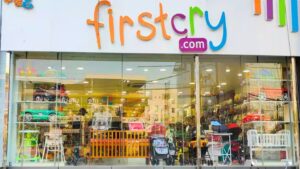
FirstCry is India’s largest multi-channel retailer of baby and kids products, offering everything from diapers and baby food to toys, clothing, and nursery items. The company operates through multiple channels including its flagship e-commerce platform, mobile app, retail stores, and various digital touchpoints.
The platform hosts over 6 million products from 4,000+ brands, ranging from international giants like Johnson & Johnson and Pampers to local Indian brands and FirstCry’s own private label products. The company has built its reputation on providing authentic products, competitive pricing, expert advice, and exceptional customer service tailored specifically for parents.
FirstCry’s business extends beyond just selling products. The company has created a comprehensive ecosystem that includes parenting content, expert advice, community features, and value-added services like birthday party planning and baby photography. This holistic approach has helped FirstCry build strong customer loyalty and increase customer lifetime value.
FirstCry Founders and Leadership
Supam Maheshwari – Founder & CEO
Supam Maheshwari founded FirstCry in 2010 with a vision to create India’s most trusted baby care platform. An engineering graduate from IIT Bombay with an MBA from IIM Ahmedabad, Maheshwari previously worked with McKinsey & Company and was involved in other entrepreneurial ventures including Brainvisa Technologies.
His deep understanding of the Indian market, combined with his consulting background, helped him identify the massive opportunity in the underserved baby care segment. Under his leadership, FirstCry has grown from a startup to a unicorn company valued at over $3 billion.
Amitava Saha – Co-founder & CTO
Amitava Saha joined as co-founder and Chief Technology Officer, bringing extensive technical expertise to build FirstCry’s technology infrastructure. His background in software development and e-commerce technology has been crucial in scaling the platform to handle millions of transactions and users.

Key Leadership Team
The company has assembled a strong leadership team with expertise across retail, technology, supply chain, and customer experience. The team includes veterans from companies like Amazon, Flipkart, and traditional retail giants, bringing diverse perspectives to the business.
FirstCry’s Journey: From Startup to Unicorn
The Beginning (2010-2012)
FirstCry was founded in 2010 when Supam Maheshwari identified a significant gap in the Indian baby care market. Unlike Western markets where specialized baby stores were common, India lacked organized retail focused specifically on baby products. Parents had to visit multiple stores or rely on general retailers with limited selection and expertise.
The initial focus was on building an online platform that could offer a wide range of authentic baby products with detailed information, reviews, and expert guidance. The company started with a small team and limited inventory, focusing on building trust with customers through quality products and service.
Growth Phase (2012-2016)
During this period, FirstCry focused on expanding its product catalog, building brand partnerships, and establishing its supply chain infrastructure. The company began attracting significant investor attention and raised multiple funding rounds to fuel growth.
Key milestones included launching the mobile app, expanding to tier-2 and tier-3 cities, and introducing private label products. The company also began experimenting with offline retail through pop-up stores and partnerships.
Expansion and Innovation (2016-2020)
FirstCry accelerated its omnichannel strategy by launching physical retail stores across India. The company also expanded internationally, entering markets in the Middle East and other regions. This period saw significant investment in technology, logistics, and customer experience improvements.
The company introduced innovative services like BabyJoy Box (subscription service), FirstCry Intellitots (educational products), and expanded into adjacent categories like maternity products and kids’ fashion.
Unicorn Status and IPO Preparation (2020-Present)
FirstCry achieved unicorn status with a valuation exceeding $3 billion, making it one of India’s most valuable startups. The company has been preparing for an IPO while continuing to innovate and expand its market presence.
Recent developments include advanced personalization features, AI-driven recommendations, expanded international presence, and strategic acquisitions to strengthen its ecosystem.
FirstCry’s Business Model: Multi-Channel Retail Excellence
Core Business Model Components
1. E-commerce Platform FirstCry’s primary revenue driver is its e-commerce platform, which serves as the central hub for customer acquisition and sales. The platform offers several advantages:
- Vast product selection with detailed descriptions and reviews
- Personalized recommendations based on baby’s age and preferences
- Expert advice and parenting content
- Flexible payment options and easy returns
- Fast delivery with same-day and next-day options in major cities
2. Omnichannel Retail Strategy The company operates an integrated omnichannel model that combines online and offline touchpoints:
- Physical retail stores in shopping malls and high-street locations
- Click-and-collect services allowing online ordering with store pickup
- Store-to-door delivery from nearby retail locations
- Unified inventory management across all channels
3. Private Label Products FirstCry has developed an extensive private label portfolio under brands like Babyhug, Cute Walk, and others. These products offer higher margins while providing customers with quality products at competitive prices.
4. Marketplace Model In addition to direct sales, FirstCry operates a marketplace where other sellers can list their products. This expands the product catalog without inventory investment and generates commission revenue.
5. Value-Added Services The company offers various services beyond product sales:
- Birthday party planning and supplies
- Baby photography services
- Educational content and parenting workshops
- Subscription boxes with curated products
FirstCry’s Revenue Model: Multiple Income Streams
Primary Revenue Streams
1. Product Sales (Direct Retail)
- First-party Sales: Direct sales of products purchased and stocked by FirstCry
- Private Label Sales: Higher-margin sales of FirstCry’s own brand products
- Bulk Sales: B2B sales to hospitals, daycare centers, and other institutions
2. Marketplace Commissions
- Commission fees from third-party sellers using FirstCry’s platform
- Listing fees and promotional charges for featured product placements
- Fulfillment fees for sellers using FirstCry’s logistics services
3. Advertising and Marketing Services
- Brand partnership fees and promotional campaigns
- Sponsored product listings and banner advertisements
- Influencer marketing and content partnerships
4. Subscription and Membership Services
- FirstCry Club membership fees for premium services
- BabyJoy Box subscription service revenue
- Premium content and expert consultation services
5. Value-Added Services
- Birthday party planning and execution services
- Baby photography and milestone documentation
- Educational products and learning programs

How to Get a FirstCry Franchise: Step-by-Step Process
Step 1: Initial Inquiry and Application
- Visit the FirstCry corporate website or contact their franchise development team
- Fill out the franchise application form with personal and business details
- Submit required documents including financial statements, business plan, and references
- Pay the initial application fee (if applicable)
Step 2: Eligibility Assessment FirstCry evaluates potential franchisees based on:
- Financial Capacity: Minimum net worth and liquid capital requirements
- Business Experience: Retail or business management experience preferred
- Location: Suitable market area with adequate footfall and demographics
- Commitment: Full-time dedication to franchise operations
- Background Check: Clean business and personal history
Step 3: Business Presentation and Interview
- Attend franchise presentation session (online or in-person)
- Meet with FirstCry’s franchise development team
- Discuss business model, expectations, and support systems
- Review Franchise Disclosure Document (FDD) carefully
- Q&A session about operations, profitability, and challenges
Step 4: Territory and Location Selection
- FirstCry helps identify potential locations in your preferred area
- Market analysis and demographic study of the chosen location
- Site evaluation for foot traffic, competition, and accessibility
- Lease negotiation support and space requirement assessment
- Final approval of location by FirstCry’s real estate team
Step 5: Financial Arrangements
- Finalize franchise agreement and fee structure
- Arrange financing (bank loans, personal funds, or investor partnerships)
- Sign franchise contract and pay initial franchise fee
- Set up business bank accounts and financial systems
- Secure required insurance coverage
Step 6: Store Setup and Launch
- Store design and interior setup as per FirstCry standards
- Installation of technology systems (POS, inventory management)
- Initial inventory procurement and stocking
- Staff hiring and training programs
- Marketing and promotional launch activities
Step 7: Training and Onboarding
- Franchisee Training: 1-2 weeks comprehensive training program
- Staff Training: Product knowledge, customer service, and sales techniques
- Operations Training: Inventory management, billing, and daily operations
- Marketing Training: Local marketing strategies and promotional activities
- Ongoing Support: Regular follow-ups and performance reviews
Required Documents for Franchise Application:
- Business plan and financial projections
- Bank statements and financial capability proof
- Identity and address proof
- Educational and professional background details
- References from business associates or previous employers
- Location details and lease agreements (if available)
Timeline for Franchise Setup:
- Application to Approval: 4-6 weeks
- Location Finalization: 2-4 weeks
- Store Setup: 3-4 weeks
- Training and Launch: 2-3 weeks
- Total Timeline: 3-4 months from application to store opening
Contact Information for Franchise Inquiries:
- Website: FirstCry official website – Franchise section
- Email: franchise@firstcry.com (typical franchise inquiry email)
- Phone: Franchise development helpline
- Office: Regional franchise development offices in major cities
Tips for Successful Franchise Application:
- Demonstrate strong financial capability and business acumen
- Choose high-potential locations with good footfall
- Show commitment to full-time involvement in the business
- Understand the baby care market and customer needs
- Be prepared for initial investment and working capital requirements
- Research local competition and market dynamics
FirstCry’s Revenue Model: Multiple Income Streams
Primary Revenue Streams
1. Product Sales (Direct Retail)
- First-party Sales: Direct sales of products purchased and stocked by FirstCry
- Private Label Sales: Higher-margin sales of FirstCry’s own brand products
- Bulk Sales: B2B sales to hospitals, daycare centers, and other institutions
2. Franchise Revenue
- Franchise Fees: One-time fees collected from new franchisees
- Royalty Payments: Ongoing percentage of franchisee sales revenue
- Supply Revenue: Profit margins on products supplied to franchise stores
- Service Fees: Revenue from training, marketing, and support services provided to franchisees
3. Marketplace Commissions
- Commission fees from third-party sellers using FirstCry’s platform
- Listing fees and promotional charges for featured product placements
- Fulfillment fees for sellers using FirstCry’s logistics services
4. Advertising and Marketing Services
- Brand partnership fees and promotional campaigns
- Sponsored product listings and banner advertisements
- Influencer marketing and content partnerships
5. Subscription and Membership Services
- FirstCry Club membership fees for premium services
- BabyJoy Box subscription service revenue
- Premium content and expert consultation services
6. Value-Added Services
- Birthday party planning and execution services
- Baby photography and milestone documentation
- Educational products and learning programs
Revenue Distribution
While exact figures vary, FirstCry’s revenue is primarily driven by:
- Product sales (approximately 75-80% of total revenue)
- Franchise operations (8-12% of total revenue)
- Marketplace commissions (5-8% of total revenue)
- Advertising and services (3-5% of total revenue)
- International operations (growing segment)
FirstCry’s Competitive Landscape
Direct Competitors
1. Amazon India (Baby Store)
- Strengths: Massive scale, fast delivery, competitive pricing
- Weaknesses: Less specialized focus, limited expert advice
- Market Position: Strong in urban markets, broad product range
2. Flipkart (Baby & Kids)
- Strengths: Strong logistics network, brand recognition
- Weaknesses: General marketplace approach, limited specialization
- Market Position: Significant presence but less focused on baby care
3. Nykaa Fashion (Kids & Baby)
- Strengths: Strong brand, growing presence in kids’ fashion
- Weaknesses: Limited product range, newer entrant
- Market Position: Growing but still establishing market presence
4. Local and Regional Players
- Various regional e-commerce platforms
- Local baby stores and pharmacies
- Traditional retail chains with baby sections
Indirect Competitors
1. Traditional Retail
- Pharmacy chains like Apollo Pharmacy, MedPlus
- Supermarket chains with baby product sections
- Local baby stores and specialty retailers
2. International Brands’ Direct Channels
- Brand websites and direct-to-consumer channels
- International e-commerce platforms
- Brand-specific retail stores
FirstCry’s Competitive Advantages
1. Specialized Focus Unlike general e-commerce platforms, FirstCry’s exclusive focus on baby and kids products allows for:
- Deep product expertise and curation
- Specialized customer service and advice
- Targeted marketing and customer experience
2. Omnichannel and Franchise Network
- Physical stores provide trust and immediate gratification
- Franchise model enables rapid expansion with lower capital investment
- Integrated inventory and customer experience across all channels
- Local presence in smaller cities and towns through franchise partners
3. Customer Trust and Brand Loyalty
- Strong brand recognition among Indian parents
- Reputation for authentic products and quality service
- Community-driven features and expert advice
4. Supply Chain and Logistics
- Specialized handling of baby products
- Fast delivery networks optimized for baby care urgency
- Efficient inventory management across channels including franchise stores
5. Franchise Partner Network
- Motivated local entrepreneurs driving growth
- Reduced capital requirements for expansion
- Local market knowledge and customer relationships
- Scalable business model with asset-light expansion
FirstCry’s Growth Strategy and Future Plans
Market Expansion Strategies
1. Geographic Expansion
- Tier-2 and Tier-3 Cities: Expanding retail presence through franchise partners in smaller cities where e-commerce penetration is growing
- Franchise Network Growth: Aggressive expansion of franchise stores across India targeting 2000+ stores
- International Markets: Strengthening presence in Middle East markets and exploring new geographies through franchise model
- Rural Markets: Developing strategies to reach rural customers through franchise partners and digital initiatives
2. Franchise Model Expansion
- Store Format Innovation: Developing different store formats for various market segments (premium, value, express)
- Franchise Partner Development: Comprehensive training and support programs for franchisees
- Technology Integration: Advanced POS systems and inventory management for franchise stores
- Performance Optimization: Data-driven insights to help franchisees improve sales and profitability
3. Product Category Expansion
- Age Group Extension: Expanding beyond traditional baby products to serve children up to 14 years
- Adjacent Categories: Entering related segments like maternity products, family health, and wellness
- Educational Products: Growing focus on learning and development products
4. Technology and Innovation
- AI and Machine Learning: Enhanced personalization and recommendation systems
- Augmented Reality: Virtual try-on features for clothing and accessories
- Voice Commerce: Integration with voice assistants for convenient ordering
Strategic Initiatives
1. Private Label Growth
- Expanding private label portfolio across categories
- Improving quality and design of owned brands
- Increasing private label contribution to total revenue
2. Subscription and Recurring Revenue
- Growing BabyJoy Box subscriber base
- Developing new subscription-based services
- Creating recurring revenue streams for better predictability
3. Community and Content
- Building stronger parenting communities
- Expanding expert advice and educational content
- Creating engagement beyond transactional relationships
4. Partnership and Ecosystem Development
- Strategic partnerships with healthcare providers
- Collaborations with educational institutions
- Integration with parenting apps and services
FirstCry’s Financial Performance and Metrics
Revenue Growth Trajectory
FirstCry has demonstrated strong revenue growth over the years:
- Consistent year-over-year growth in gross merchandise value (GMV)
- Expanding average order value (AOV) through cross-selling and upselling
- Improving customer retention and repeat purchase rates
- Growing contribution from higher-margin private label products
Key Performance Indicators
1. Customer Metrics
- Monthly Active Users (MAU): Growing across all channels
- Customer Acquisition Cost (CAC): Managed through efficient marketing
- Customer Lifetime Value (CLV): Increasing through expanded product range
- Net Promoter Score (NPS): High customer satisfaction ratings
2. Operational Metrics
- Inventory Turnover: Efficient inventory management across categories
- Fulfillment Speed: Industry-leading delivery times
- Return Rates: Lower than industry average due to product quality
- Store Productivity: Revenue per square foot in retail locations
3. Financial Metrics
- Gross Margins: Improving through private label and operational efficiency
- Operating Leverage: Scaling fixed costs across growing revenue base
- Cash Flow: Moving toward positive operating cash flow
- Unit Economics: Improving profitability per customer and order
Path to Profitability
FirstCry’s path to profitability focuses on:
- Increasing higher-margin private label sales
- Improving operational efficiency and reducing costs
- Expanding recurring revenue streams
- Leveraging scale advantages in procurement and logistics
Challenges and Opportunities
Key Challenges
1. Intense Competition
- Competition from large e-commerce platforms with deep pockets
- Price wars affecting margins
- Customer acquisition costs increasing across the industry
2. Supply Chain Complexity
- Managing inventory across multiple channels and locations
- Ensuring product authenticity and quality control
- Handling seasonal demand fluctuations
3. Customer Acquisition and Retention
- High customer acquisition costs in competitive market
- Retaining customers as children outgrow baby products
- Building loyalty in price-sensitive market segments
4. Technology and Innovation Pressure
- Constant need to innovate and improve user experience
- Keeping up with changing consumer preferences
- Investing in technology infrastructure and capabilities
Major Opportunities
1. Market Size and Growth
- Large and growing Indian baby care market
- Increasing online penetration in tier-2 and tier-3 cities
- Rising disposable income and changing lifestyle preferences
2. Untapped Segments
- Significant opportunity in rural and semi-urban markets
- Growing demand for premium and organic baby products
- Expanding international markets with Indian diaspora
3. Technology-Driven Growth
- AI and machine learning for personalization
- Social commerce and community-driven sales
- Internet of Things (IoT) integration for smart baby products
4. Adjacent Market Expansion
- Maternity and pregnancy-related products
- Family health and wellness products
- Educational and developmental services
FirstCry’s IPO and Future Outlook
IPO Preparation and Timeline
FirstCry has been preparing for an Initial Public Offering (IPO) to fuel its next phase of growth. The company has been working on:
- Strengthening financial performance and unit economics
- Expanding market presence and competitive positioning
- Building governance and compliance capabilities
- Preparing for public market scrutiny and reporting requirements
Investment Thesis
The investment case for FirstCry is built on several factors:
- Leadership position in large and growing market
- Strong brand recognition and customer loyalty
- Diversified revenue streams and improving unit economics
- Omnichannel capabilities and technological innovation
- Experienced management team with proven track record
Future Growth Prospects
FirstCry’s future growth will be driven by:
- Continued market expansion in India and internationally
- Innovation in products, services, and customer experience
- Strategic acquisitions and partnerships
- Technology investments and digital transformation
- Building sustainable competitive advantages
Conclusion: FirstCry’s Sustainable Business Model
FirstCry has successfully built a comprehensive business model that addresses the unique needs of Indian parents while creating multiple revenue streams and competitive advantages. The company’s focus on specialization, omnichannel presence, and customer-centric innovation has established it as the clear leader in India’s baby care market.
The business model’s strength lies in its ability to:
- Serve customers across multiple touchpoints and channels
- Generate revenue from various sources while maintaining focus
- Build strong customer relationships and brand loyalty
- Adapt to changing market conditions and consumer preferences
- Scale operations efficiently while maintaining quality
As FirstCry prepares for its public market debut and continues expanding its market presence, the company is well-positioned to capitalize on India’s growing baby care market and changing consumer behavior. The combination of strong market position, diversified business model, and growth opportunities makes FirstCry a compelling case study in building sustainable competitive advantages in the Indian e-commerce landscape.
The company’s success demonstrates that specialized, customer-focused approaches can compete effectively against larger generalist platforms, provided they offer superior value, service, and expertise in their chosen market segment. FirstCry’s journey from startup to unicorn offers valuable lessons for entrepreneurs and businesses looking to build category-leading companies in India’s dynamic market environment.